
When the holidays feel heavy
Thanksgiving through New Year’s can be one of the hardest stretches for a grieving family. If this season feels different this year, you’re not doing it wrong. There’s no right way to do the holidays after someone dies.
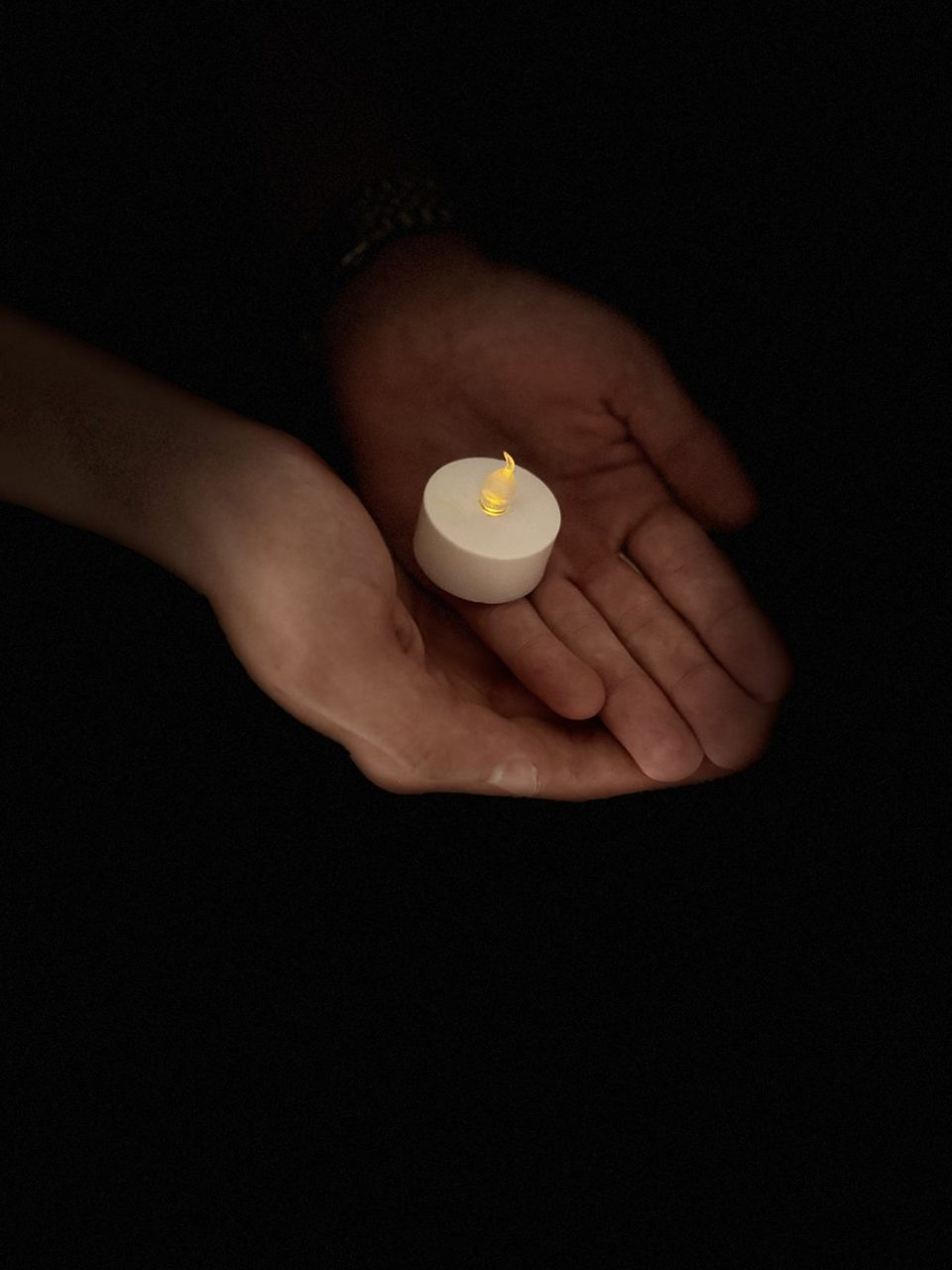
Take what helps, leave the rest
The season is full of gatherings, music, and traditions that remind us of who’s missing. A simple “Happy Holidays!” can land hard. Kids feel it too, even when they don’t say so.
Below are a few simple ideas families have found helpful. None of them are required. You know your family best.
Three simple ideas to try
An empty chair
Set a place at the table for the person who died. It says out loud what everyone is already feeling: they belong here.
- Light a candle at their place during the meal.
- Leave slips of paper by the chair. Anyone can write a memory or a note to them and tuck it on the plate.
- Read a few notes together after dinner, or save them for later.
Kids can make the place card or pick something of theirs to set at the seat.
A memory ornament
Make an ornament together that holds a piece of them, then hang it each year.
- Fill a clear ornament with a small photo, a scrap of their favorite shirt, or a note in their handwriting.
- Write a favorite memory on a paper star or tag.
- Use their favorite color, sports team, or song.
No tree? Hang it in a window or on a bedside lamp. It works for any holiday your family celebrates.
Permission to skip
You don’t have to go to every party, send cards, or keep every tradition this year. Saying no is allowed. So is changing your mind.
- Pick the one or two things that matter most and let the rest go.
- Drive separately so you can leave early.
- Let kids opt out too. Have a quiet plan B ready.
“We’re keeping things small this year. Thank you for understanding.”
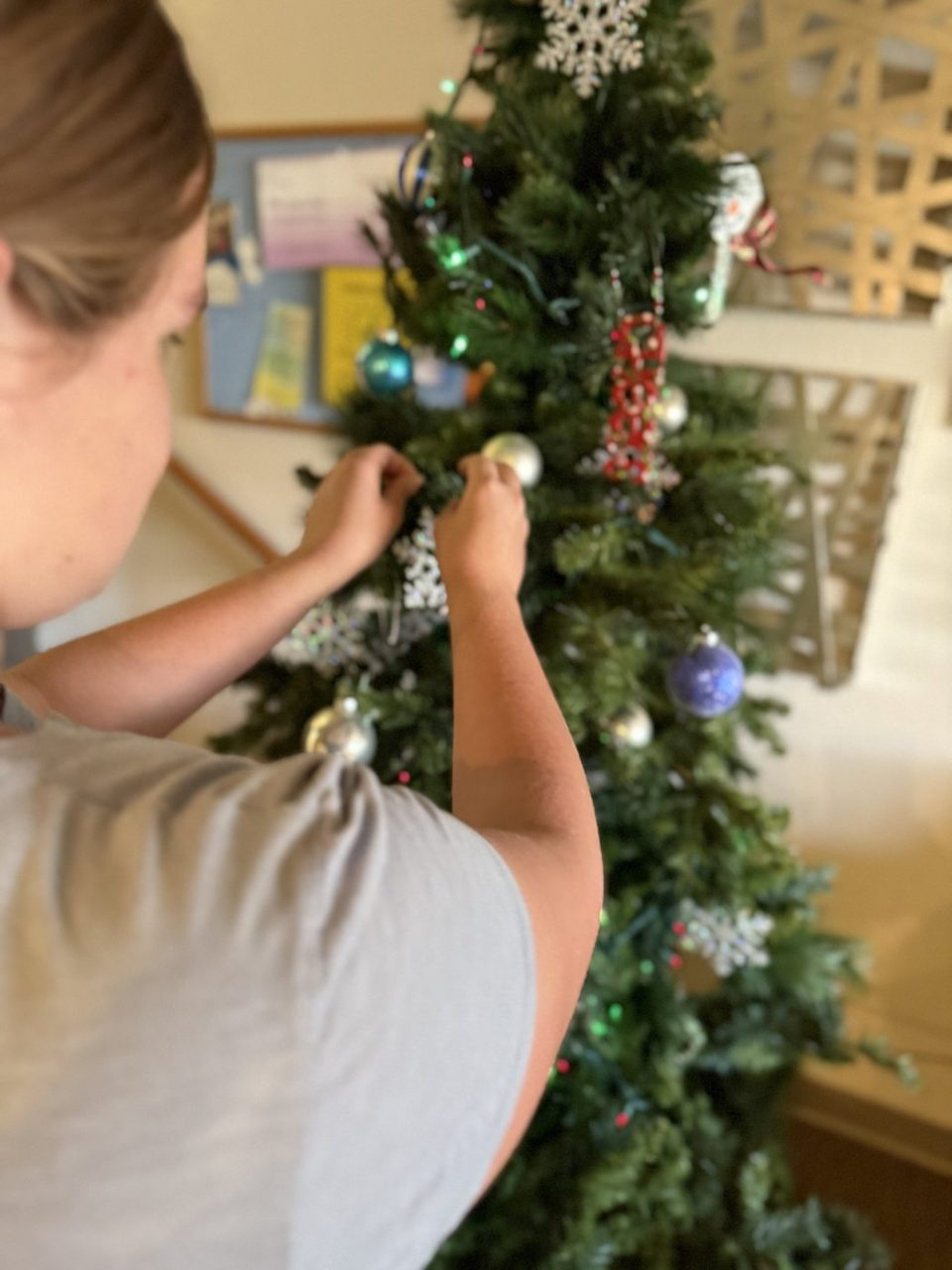
Helping kids through the season
Kids often grieve in bursts. They might be laughing one minute and in tears the next. Both are normal.
- Talk about plans ahead of time. Let kids know who will be there and what will be different.
- Let them help decide. Which traditions do they want to keep? What could be new?
- Talk about them. Kids often wait to see if it’s okay to talk about the person who died.
- Keep some routines. Regular bedtimes and meals help when everything else feels off.
- Joy is allowed. Having fun doesn’t mean anyone has forgotten.
Be gentle with yourself
- Lower the bar. Grief is tiring. You may not be able to do everything you’ve always done, and that’s okay.
- Plan ahead. Decide what you can handle and tell family and friends early.
- Accept help. When someone offers to cook, shop, or drive, let them.
- Rest. Short walks, naps, and quiet time count. Kids need downtime too.
- Remember them your way. Share a toast or a favorite story, give a gift in their name, or help another family in their honor.
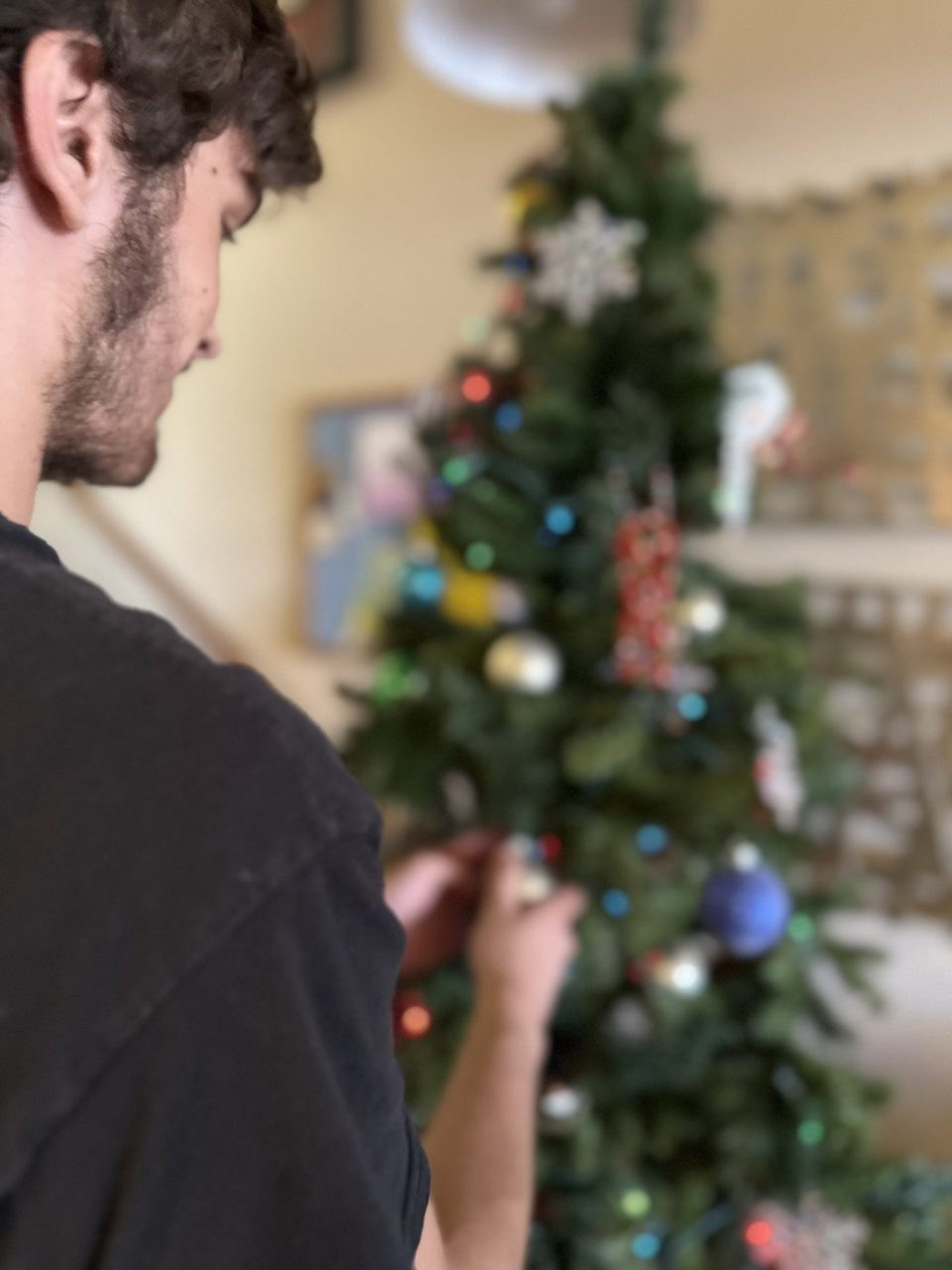
Our groups meet through the season
Cason’s Place offers free peer grief support for kids ages 5 through high school and their parents and caregivers. We meet the 1st and 3rd Tuesday of each month, 6:30 to 8:00 PM, at 1416 SE Court Avenue in Pendleton. Families from all over Eastern Oregon are welcome.
Call or text (541) 612-0828 or email info@casonsplace.org. You don’t need the right words. Just let us know you’re looking for support.
¿Habla español? Envíenos un mensaje de texto al (541) 612-0828 o un correo electrónico a info@casonsplace.org, y una persona voluntaria que habla español se comunicará con usted.
Some ideas on this page are adapted from The Dougy Center for Grieving Children & Families, our mentor organization.